
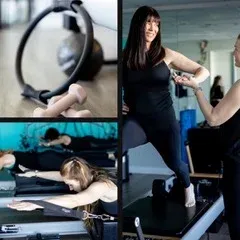
Injuries, surgeries, and chronic pain can leave your body feeling disconnected, limited, or weak. When you’re recovering, it’s common to ask: What kind of support do I need? Should I see a physical therapist—or could something like Pilates help me too?
The truth is, both physical therapy and Pilates-based rehabilitation play important roles in healing—but they serve different purposes. At our studio, we often work with clients who are transitioning from physical therapy into movement-based rehab through Pilates, and the results are powerful.
Here’s how they complement each other—and where Reformer Pilates fits in.
What Is Physical Therapy?
Physical therapy (PT) is a licensed medical service designed to treat specific injuries or conditions. A physical therapist focuses on:
• Acute injury recovery (e.g. post-surgery, sprains, fractures)
• Restoring mobility and range of motion
• Reducing pain and inflammation
• Creating short-term treatment plans based on medical diagnosis
PT is often prescribed by a doctor and is typically covered by insurance for a limited time. It’s an essential first step in many healing journeys.
What Is Pilates-Based Rehabilitation?
Pilates-based rehabilitation picks up where physical therapy leaves off. It’s a long-term, movement-centered approach that focuses on:
• Restoring balanced strength and flexibility
• Rebuilding core control and postural alignment
• Preventing re-injury through functional movement
• Enhancing overall body awareness and coordination
At our studio, rehab-style Pilates sessions are often taught one-on-one using the Reformer and other apparatus, which allow for safe, supported movement even when you’re still dealing with limitations.
Key Differences at a Glance
Physical Therapy Pilates-Based Rehabilitation
Medically prescribed Movement-based and holistic
Short-term goals Long-term body re-education
Focused on healing injury Focused on restoring whole-body function
Insurance-based Often privately paid
Targeted modalities Full-body integrated movement
Why Clients Transition from PT to Pilates
After completing PT, many people don’t feel “done.” They may no longer be in acute pain, but still struggle with:
• Muscle imbalances
• Weak core stability
• Limited range of motion
• Lack of confidence in movement
• Fear of re-injury
This is where Pilates bridges the gap between rehab and real-life movement.
With the help of trained instructors who understand anatomy, injury recovery, and movement mechanics, clients can continue healing and strengthening—at their own pace.
Who Benefits from Rehab-Style Pilates?
We work with clients managing:
• Post-surgical recovery (e.g. hip, knee, or back surgeries)
• Chronic conditions like scoliosis, arthritis, or disc issues
• Neurological disorders (e.g. MS, Parkinson’s, stroke recovery)
• Pelvic floor dysfunction or postpartum recovery
• Sports injuries and overuse syndromes
Our approach is customized, gentle, and progressive—helping you return to the activities you love with confidence.
Empowering You Beyond Recovery
While physical therapy is about treating, Pilates is about rebuilding. We focus on creating strong foundations, better movement patterns, and a sense of connection between your mind and body.
Whether you’re finishing physical therapy, managing a long-term condition, or looking to prevent injury through smart movement, our studio offers a safe and supportive space to heal, grow, and move forward.
Curious if Reformer Pilates is right for your recovery?
Contact us for a complimentary consultation or private session. We’ll assess your goals and create a plan tailored just for you.